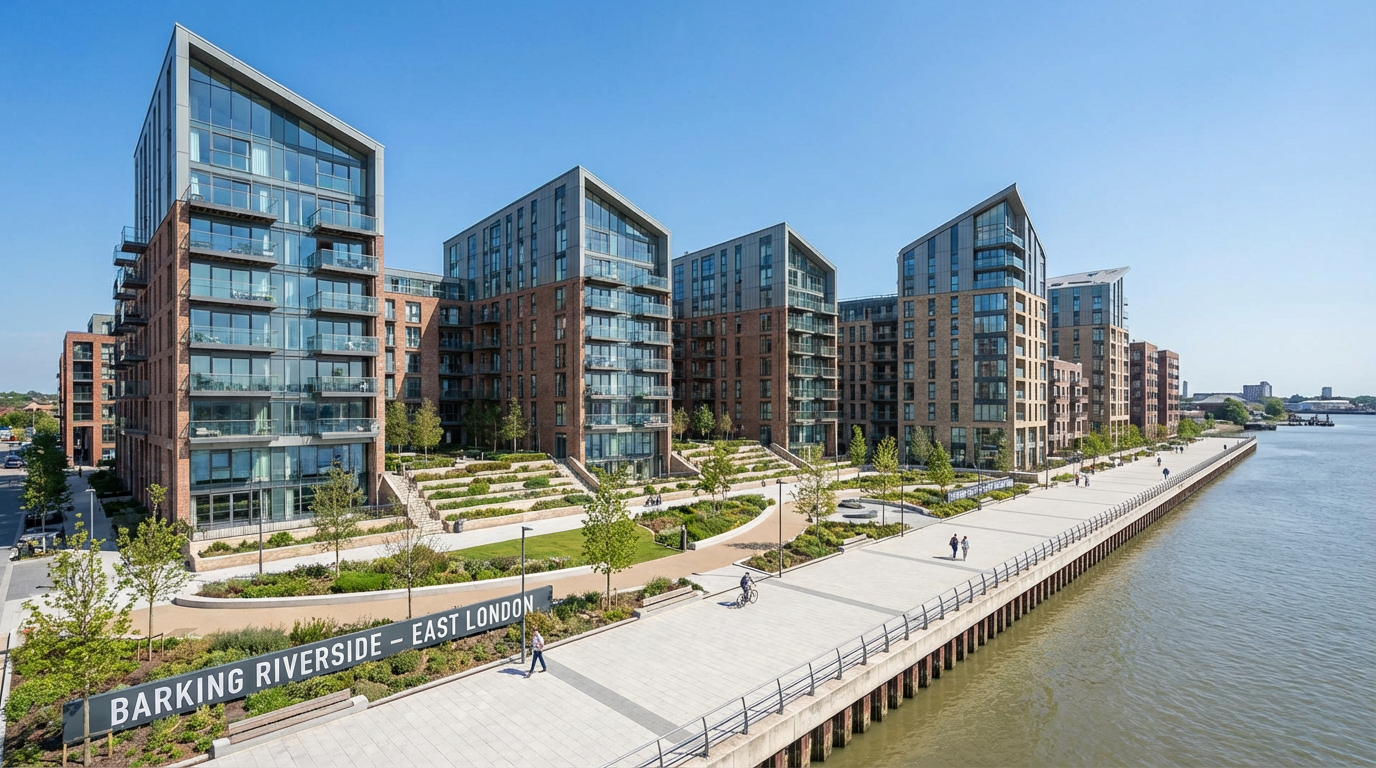
Barking Riverside is one of the most exciting developments in London right now. When complete, it will be home to 10,800 new properties on a 443-acre waterfront site — one of the largest regeneration projects in the capital's history. The Elizabeth Line station at Barking brings it within 20 minutes of Liverpool Street, making it genuinely attractive to commuters and families alike.
I've personally surveyed dozens of properties at Barking Riverside since the first phases launched, working alongside our clients to make sure they're moving into homes that meet the standards they've paid for. And I can tell you this: new doesn't mean perfect.
What Is a Snagging Survey?
A snagging survey is an inspection of a brand-new property that identifies defects before you complete the purchase. It covers both cosmetic issues — scratched worktops, paint splashes, gaps in skirting boards — and more serious structural or safety problems that building regulations require to be addressed.
The key thing is timing. The best time to commission a snagging survey is after the property is practically complete but before legal completion — ideally two to four weeks before your move-in date. This gives you maximum leverage with the developer: they still want your money, and they're legally obligated to deliver a property that meets the standards described in your contract and complies with Building Regulations.
Once you've completed and moved in, your leverage drops significantly. Yes, developers remain responsible for defects under their warranty schemes (NHBC Buildmark, LABC, Premier Guarantee, etc.), but getting them to act on issues post-completion is much harder and slower.
What We Typically Find at Barking Riverside
Over the past few years, here are the types of defects our snagging surveys have consistently found at Barking Riverside developments. I'm not naming specific developers, but these issues are not unique to any single builder — they're systemic in UK new-build construction.
Cosmetic Defects (Very Common)
- Paint splashes, scuffs, and incomplete second coats on walls and ceilings
- Scratched glass in windows and doors
- Poorly fitted kitchen units — misaligned doors, improperly fitted worktop joints, inadequate fixings
- Gaps around skirting boards, architraves, and door frames
- Carpet not properly stretched or secured at threshold strips
- Incomplete or inconsistent tile grout and silicone sealant in bathrooms
Significant Defects (More Serious)
- Inadequate fire stopping — gaps in fire-rated compartment walls around pipes and cables. This is a life-safety issue. We've found this on multiple surveys.
- Ventilation failures — extractor fans in bathrooms and kitchens not connected, not functional, or connected to incorrect ducts.
- Drainage issues — incorrectly laid falls on drainage pipework leading to pooling, or rodding eyes not accessible.
- Door compliance — fire doors that don't self-close properly, or front doors with inadequate security ratings relative to what was specified.
- Roof terrace waterproofing — on properties with roof terraces or balconies, we've found inadequate upturns on waterproof membranes and incorrectly sealed junctions that will eventually leak.
- EV charging points — wired but not commissioned, or located in positions that don't correspond to allocated parking spaces.
A Real Case Study from Barking Riverside
Last spring, I was commissioned to survey a two-bedroom apartment in one of the newer blocks at Barking Riverside. The client had paid £390,000 for it and was genuinely excited about the property.
My snag list contained 63 items. Most were cosmetic — poor paintwork, a scratched worktop, incomplete silicone around the bath — but there were several serious issues:
- The bathroom extract fan was connected to the kitchen duct, meaning the steam from baths was being vented into the kitchen void (fire risk and hygiene risk).
- There was a gap in the fire-stopping around the main electrical cable entry into the flat — a clear Building Regulations failure.
- The front door closer had been adjusted so it didn't fully close — a fire safety failure.
- The kitchen utility cupboard containing the hot water cylinder had no ventilation, contrary to manufacturer's requirements.
The developer's customer care team addressed all of the issues before completion. My client moved in confident that her new home was safe and properly finished.
How Much Does a Snagging Survey Cost at Barking Riverside?
For a standard one- or two-bedroom apartment at Barking Riverside, a snagging survey typically costs between £300 and £450. For a larger property or house, it will be slightly more. When you consider the cost of your purchase — and the cost of getting developers to fix problems after you've moved in — this is a small investment with potentially significant returns.
Help to Buy at Barking Riverside
Many properties at Barking Riverside were sold under the Help to Buy equity loan scheme (now closed to new applicants). If you're redeeming your Help to Buy loan, you'll need a RICS-certified valuation from a registered valuer. We provide Help to Buy valuations — contact us for details.
Key Takeaways
- Book your snagging survey before legal completion — not after
- Use the snag list formally, in writing, with the developer's customer care team
- Do not be pressured to complete before defects are resolved
- Retain a copy of the snag list and all correspondence
- Use your two-year and ten-year warranty as backup, but don't rely on it as your first line of defence
If you're buying at Barking Riverside and you'd like to book a snagging survey, get in touch with us. We know this development well, we're fast, and our reports are clear and comprehensive. Learn more about our new build snagging survey service.
Book a Snagging Survey at Barking Riverside
Don't complete without one. Fast turnaround, detailed reports, serious local expertise.
Get a Free Snagging Quote